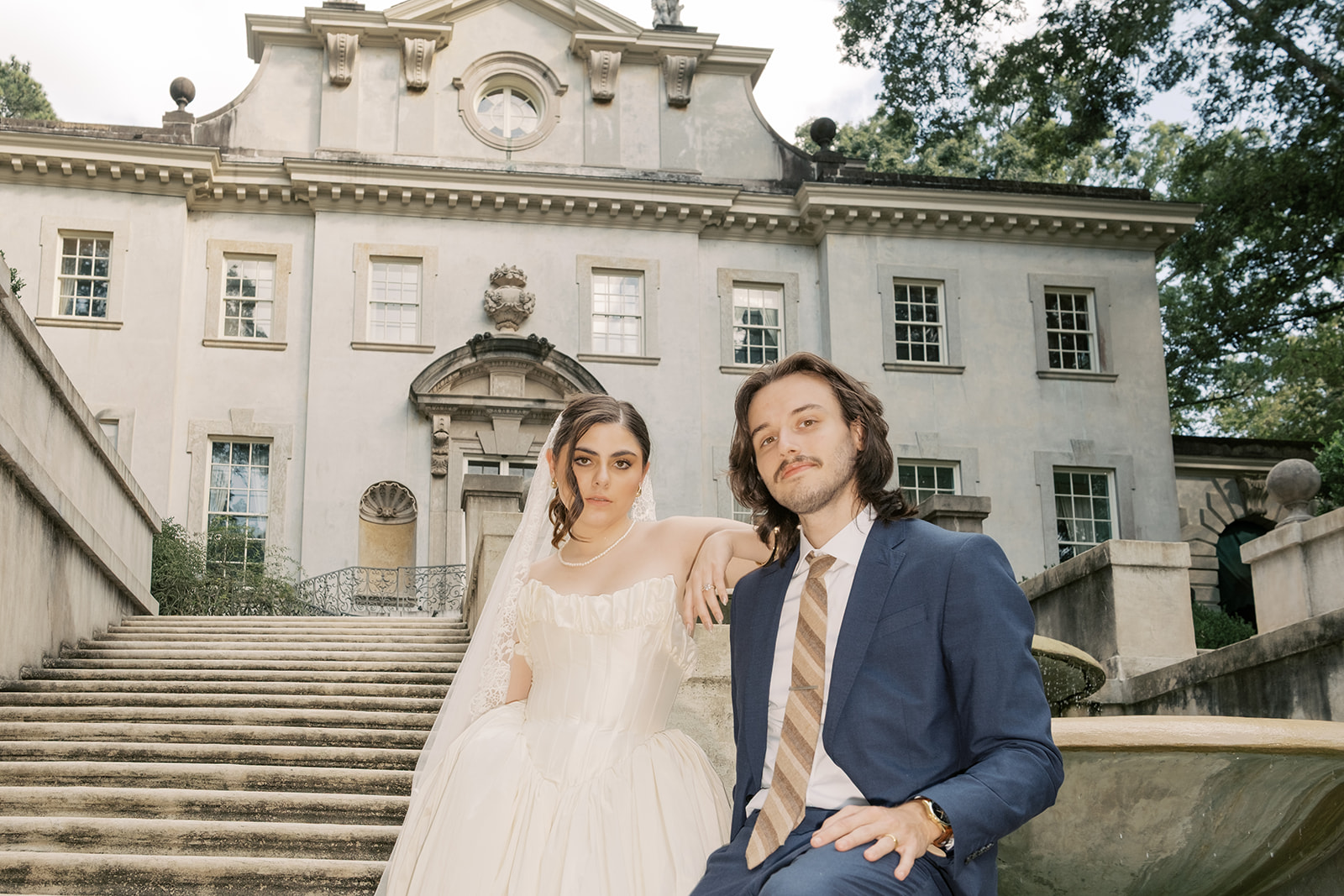
It’s one of the most common questions couples ask before booking — and the answer actually depends on a few specific things about your day.
THE SHORT ANSWER
Most couples need 8 to 10 hours of wedding photography coverage. Six hours works for intimate weddings with a simple timeline. Eight hours is the sweet spot for a full-day wedding with a first look, ceremony, portraits, and the start of the reception. Ten or more hours makes sense for large weddings, multiple venues, or anyone who wants coverage through the end of the night.
The longer answer requires looking at your specific day. I’ve shot weddings in New York City, across California, and at destinations worldwide, and no two timelines are exactly alike. But there is a pretty reliable formula for figuring out where you fall.
The quick breakdown by hours
Here’s how the most common coverage lengths play out in practice:
| Hours | Best for | What’s typically covered |
| 6 hours | Intimate weddings under 60 guests, single venue, minimal formalities | Getting ready (one person), ceremony, family formals, couple portraits, start of reception |
| 8 hours | Most full-day weddings — the most common choice (a little bit of getting ready and some reception) | Last few moments of both partners getting ready, first look, ceremony, family formals, wedding party portraits, golden hour, cocktail hour, first dances, toasts |
| 10 hours | Larger weddings, multiple locations, long receptions | Everything above, plus more reception coverage, late-night dancing, grand exit |
| 12+ hours | Multi-venue days, destination weddings with pre-wedding events | Full day from early prep through end of reception or after-party |
What actually eats up the time
The biggest mistake couples make is underestimating how long things actually take. Here’s where hours go on a typical wedding day:
Getting Ready
This is where some of the best pictures happen — the details, the quiet moments, the chaos of the last hour before a ceremony. Plan for 1.5 to 2 hours per person if you want coverage of both partners. If you’re getting ready in different locations, that’s two photographers or a very tight schedule for one.
Travel and Logistics
City weddings, especially in New York, lose time to traffic that no one accounts for. Even a five-minute drive between venues can eat 30 minutes when you add parking, getting everyone loaded, and the inevitable delay at the ceremony entrance. Build in more buffer than you think you need.
Family Portraits
Family formals take longer than anyone expects. A good rule: count the number of distinct family groupings you want photographed and multiply by three minutes each. Ten groupings is 30 minutes, minimum. If you have a large family or lots of divorced parents and step-families, budget 45.
The Couple Portraits Window
This is the part most couples feel rushed on, and it’s entirely avoidable. I recommend a minimum of 45 minutes for couple portraits, with a separate golden hour window (even just 15 to 20 minutes) if the light cooperates. That golden hour session is usually when the best gallery images happen.
The Reception
If you want coverage of first dances, toasts, dinner, and early dancing, you need at least an hour to an hour and a half at the reception. If you want the late-night dancing, the cake cutting, and a grand exit photographed, plan accordingly.
A sample 8-hour wedding day timeline
For reference, here’s what a typical 8-hour coverage window looks like for a ceremony starting at 5:00 pm:
1:00pm – Photography begins. Getting ready details — dress, rings, florals, invitations.
1:30pm – Partner one getting ready. Hair, makeup or ties, candid moments with the wedding party.
2:30pm – Partner two getting ready (simultaneously or sequentially).
3:30pm – First look and couple portraits. 30 to 45 minutes while the light is still workable.
4:15pm – Wedding party portraits, then guests start arriving.
5:00pm – Ceremony. Typically 20 to 45 minutes.
5:45pm – Family formals. Keep the list tight — 10 groupings maximum if possible.
6:30pm – Golden hour portraits while guests are at cocktail hour. This is the window you don’t want to miss.
7:00pm – Reception begins. Grand entrance, first dances, dinner, toasts.
9:00pm – Coverage ends. Early dancing, any cake cutting, last portraits of the night.
Worth Noting:
This timeline assumes a single venue or two very close venues. If your ceremony and reception are at different locations — common for New York City weddings in Manhattan or Brooklyn — add 30 to 45 minutes of travel buffer and plan your hours accordingly.
Do you need a second photographer?
A second photographer is always worth it, but especially in these situations:
Over 100 guests. One photographer physically cannot cover a large room. A second shooter adds coverage angles, candid guest moments, and backup on key events.
Separate getting-ready locations. If you and your partner are getting ready in different places and you want both covered simultaneously, you need two photographers. There’s no workaround.
Ceremony where positioning is restricted. Some venues — particularly houses of worship in New York City — limit photographer movement during the ceremony. A second shooter positioned differently gives you coverage that one photographer simply can’t get alone.
For intimate weddings under 75 guests at a single venue, a solo photographer handles everything well. The second shooter is for scale and logistics, not quality.
NYC and California considerations
Wedding day logistics vary meaningfully by location, and it affects how many hours you need.
New York City weddings — especially in Manhattan and Brooklyn — tend to run longer than expected due to traffic, elevator waits, venue access restrictions, and the logistics of moving a wedding party through a city. I consistently recommend that NYC couples add 30 to 60 minutes to whatever timeline they think they need.
California weddings — in Napa, Los Angeles, Sonoma, or the coast — often have the advantage of a single sprawling property, which reduces transit time. But outdoor ceremonies tied to sunset windows mean the golden hour portrait session can be squeezed if the ceremony runs even slightly long. Build in the buffer.
The question worth asking before the hours question
Before you decide on hours, get clear on which moments actually matter to you. Some couples care deeply about the getting-ready documentation and couldn’t care less about late-night dancing. Others want every last minute of the reception but are fine skipping the detail shots of the centerpieces.
The right number of hours is the one that covers what you’ll actually want to see in your gallery — not the one that covers everything theoretically possible.
If you’re still not sure, I’m always happy to talk through your specific timeline and tell you honestly what fits and what doesn’t.
Frequently Asked questions
What happens if we run out of time during the day?
The most common casualty is the couple portrait session — it either gets cut short or happens in bad light because the ceremony ran over. Good timeline planning prevents this. I always build buffer into the timelines I share with clients, and I flag potential problem spots in advance. That said, if the day runs long and you want me to stay, extra hours are always available.
Should I book more hours than I think I need?
It’s smarter to build a realistic timeline and match your hours to it than to simply book extra as a cushion. Padding hours without a plan doesn’t improve the photos. A tight, well-planned 8 hours produces better results than a loose, disorganized 10. I help all my clients build their timelines before the wedding, so we both know exactly what we’re working with.
How far in advance do I need to book a wedding photographer?
For New York City weddings and popular California venues, 12 to 18 months in advance is realistic for peak dates (May through October, and holiday weekends). Off-peak dates and weekday weddings have more flexibility. If your date is less than 6 months away, reach out anyway — it’s worth checking availability.
Is 6 hours of wedding photography enough?
For the right wedding, yes. Six hours works well for intimate ceremonies under 60 guests with a simple timeline, a single venue, and a shorter reception. It’s not enough for a full-day wedding with a first look, large family, wedding party portraits, and a long reception. If you’re not sure which category your day falls into, walk me through the schedule and I’ll tell you straight.
Can I see sample timelines for different hour packages?
Yes — I share detailed sample timelines with every couple during the booking consultation. They’re built around real wedding days, not hypothetical ones, so you can see where the hours actually go.
Not sure what your day needs?
Tell me about your timeline and I’ll give you a straight answer — no upsell, no boilerplate. I work with couples in New York City, California, and destinations worldwide.
Daria Orlova Photography
New York City wedding photographer with over a decade of experience shooting editorial couples in NYC, California, and worldwide. Known for galleries that look nothing like everyone else’s.








Read the Comments +